





After the Fire: London churches in the age of Wren, Hooke, Hawksmoor and Gibbs
After the Fire: London churches in the age of Wren, Hooke, Hawksmoor and Gibbs; Angelo Hornak, The Pimpernel Press, 384 pages, approx 400 illustrations, 2016.

The facts of the Great Fire of London are well known. A fire started in a bakery in Pudding Lane on 2 September 1666 and the flames quickly spread, fanned by an easterly wind, to destroy 13,000 houses, most of the civic and commercial buildings of the city and 87 churches. It was a catastrophe. ‘London was, but is no more!’ wrote John Evelyn. But from the disaster came one of the most dynamic and prolific architectural periods in English history, guided by Christopher Wren, who reshaped London with a brilliant burst of baroque.
This book sells itself as ‘a glorious photographic survey of the London churches built in the 60 years after the Great Fire’. It is certainly that. Each church is wonderfully illustrated, in alphabetical order, with Hornak’s own photographs. Not only are there sumptuous images of elevations and whole interiors, but also many details, which are simply not clear to the naked eye. Among them are numerous weather vanes that top the towers and steeples; a cockerel at St Dunstan’s, a dragon at St Maryle- Bow and a boat at St Nicholas’ are among the most decorative.
Interior details are also well shown, with photographs highlighting the craftsmanship of the plasterwork and woodwork. Grinling Gibbons’ woodcarving can be found throughout the book, stealing the show with its skill and virtuosity. His font cover at All Hallows by the Tower and choir stalls at St Paul’s are highlights.
Hornak’s images are not alone. The book reproduces the most famous of the contemporary maps, paintings and portraits associated with the rebuilding of the churches. Hollar’s ‘Exact Surveigh of the Streets Lanes and Churches contained within the Ruines of the City of London’ (1666–7) is given a fantastic two-page spread, instead of being stuck in a small box as it often is in books about the Great Fire. John Evelyn’s plan for rebuilding London is shown alongside the more familiar one by Christopher Wren. The only additional illustration that would have helped is a map of the city showing the position of each church.
The book is much more than just a ‘glorious photographic survey’ though. Hornak starts the book with a 30-page summary of the history of the rebuilding process, including chapters on Christopher Wren, Robert Hooke, the Rebuilding Acts, the survey of the city and the design of the churches. He writes lucidly and informatively, the chapters forming a good summary of the background to the churches.
Each church is given its own chapter in which Hornak provides a brief history of the building and the site, topping Pevsner on them because there are also beautiful images to illustrate his points. However well you think you know the subject, I assure you that you will learn something new. Hornak has a depth of knowledge formed over 50 years (he first studied Wren’s churches as an undergraduate at Oxford in the 1960s).
The churches rebuilt in the aftermath of the Great Fire have commonly come to be known as ‘Wren’s churches’ – he was put in charge of the rebuilding programme – but Hornak’s work, along with other books over the last decade or so, seeks to highlight the work of other architects. Hawksmoor’s name has long been associated with many of the steeples and towers but others, like Robert Hooke, William Dickinson and John James, have suffered in Wren’s architectural shadow. Their designs and contribution are clearly outlined in Hornak’s book. It is interesting to note that for many of the churches it is still unclear who designed what, but over time surely Hooke’s name will come to more prominence.
I will be returning to this book often, not just to enjoy the wonderful images, but also to use it as a reference book on the London churches. Whether you are interested in the history of London, baroque architecture or specifically Wren, this book will not disappoint you.
This article originally appeared in IHBC's Context 148, March 2017. It was written by Kate Judge, freelance architectural historian.
--Institute of Historic Building Conservation
[edit] Related articles on Designing Buildings
- Architecture.
- Britain's Lost Churches.
- Chapels of England: buildings of protestant nonconformity.
- Conservation.
- English architectural stylistic periods.
- IHBC articles.
- The Institute of Historic Building Conservation.
- St Pauls Cathedral.
- Stuart architecture.
- The Livery Halls of the City of London.
- The Rebuilding Acts.
IHBC NewsBlog
UK Stained Glass Repository finds windows new homes
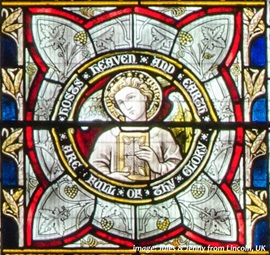
How are stained glass windows are rescued, stored and repurposed?
APPGEBE report sets high aims for quality
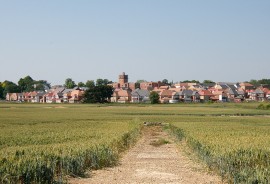
'Government must not sacrifice quality in drive to build 1.5m homes'
New measures protect Historic Shipwrecks from heritage crime

Underwater cultural heritage benefits from new HE guidance
How could the City of London skyline look in 6 years' time?

Visualisation shows approved planning applications as completed buildings
National Trust for Scotland calls for VAT cuts
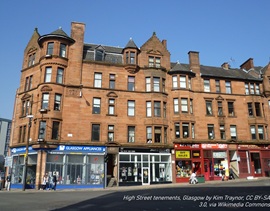
Heritage neglect is encouraged by current policies
IHBC's 'Context' Issue 186 features Industrial Heritage

IHBC's members' journal reports on the challenges of conserving infrastructure.
Book now for IHBC Annual School 2026

IHBC Annual School is taking place 18-20 June 2026 in Newcastle.
RICHeS Research Infrastructure offers ‘Full Access Fund Call’
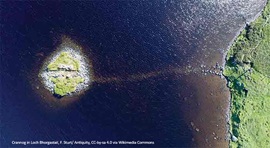
RICHeS offers a ‘Help’ webinar on 11 March
Latest IHBC Issue of Context features Roofing
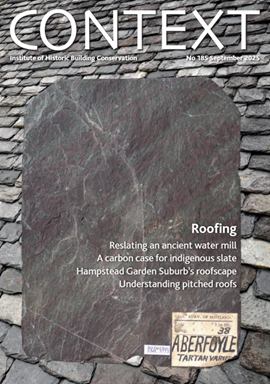
Articles range from slate to pitched roofs, and carbon impact to solar generation to roofscapes.
Three reasons not to demolish Edinburgh’s Argyle House

Should 'Edinburgh's ugliest building' be saved?
IHBC’s 2025 Parliamentary Briefing...from Crafts in Crisis to Rubbish Retrofit
IHBC launches research-led ‘5 Commitments to Help Heritage Skills in Conservation’
How RDSAP 10.2 impacts EPC assessments in traditional buildings

Energy performance certificates (EPCs) tell us how energy efficient our buildings are, but the way these certificates are generated has changed.